Windows
Drafty windows cost you every single month. Here's how to fix that for good.
What replacement windows really cost, which frame material fits your house, and what happens once the crew arrives — so you can read your quotes like a pro.
- ✓ 100% free quotes
- ✓ Licensed local roofers
- ✓ No obligation

The short version
$450–$1,000
per installed window is the national ballpark for quality vinyl. Fiberglass and wood frames climb from there.
25–30%
of a home's heating and cooling energy is lost through its windows, by U.S. Department of Energy estimates.
1–2 days
for most whole-house replacements. An experienced crew sets window after window with surprising speed.
Three kinds of window projects — and which one is yours.
Most window work is a handful of problem windows, a whole-house replacement, or a full-frame rebuild where rot has set in. Knowing which you're facing shapes the cost, the timeline, and the questions worth asking.
A few problem windows
The one that fogs between the panes, the one painted shut, the one that whistles in January. Replacing a handful of windows is a quick, contained job — often a single morning. It's also the moment to ask an installer whether the rest are close behind, so you're not paying trip charges twice.
Whole-house replacement
Every window at once — the project that changes how a house feels and sounds overnight. Per-window pricing drops when a crew does the whole house in one mobilization, which is why whole-house quotes often beat the math of replacing piecemeal over years. This is where comparing several bids pays off most.
Full-frame replacement
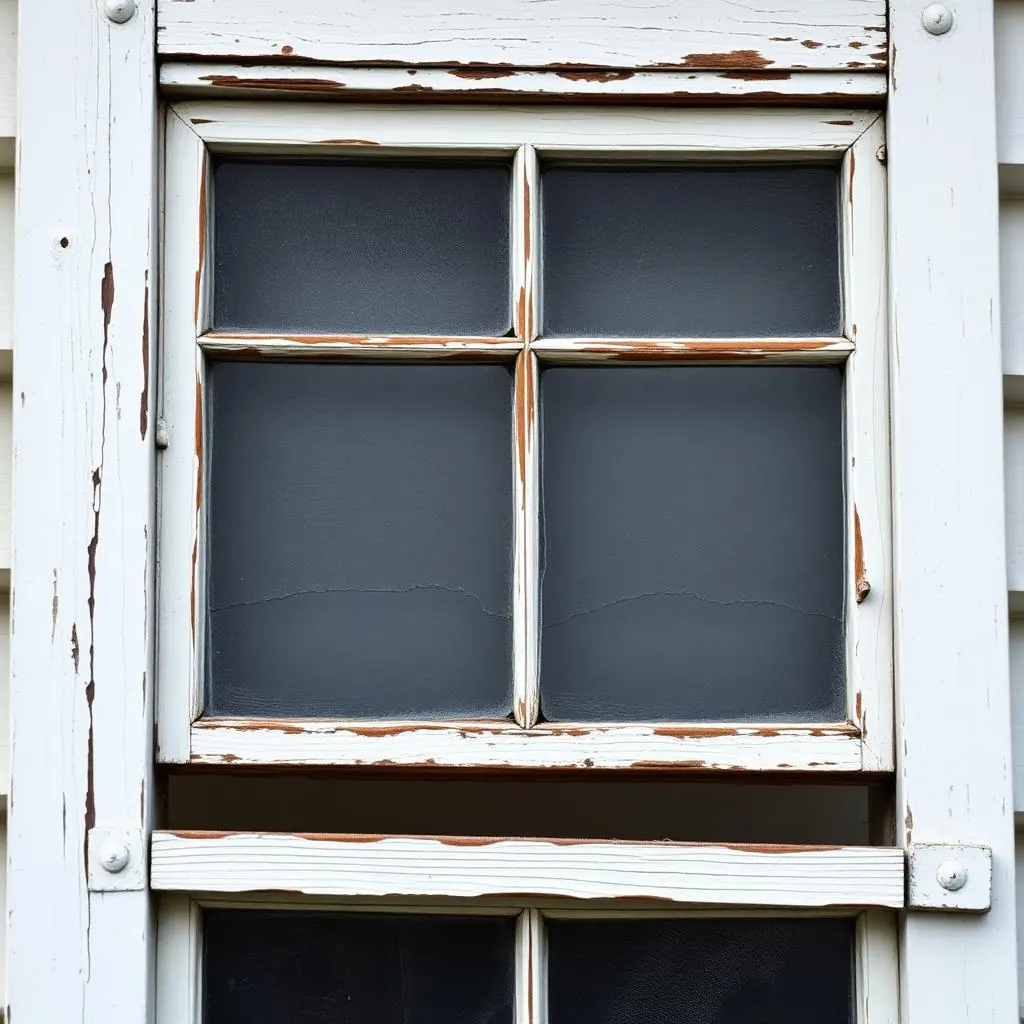
When the frame itself is rotted, water-damaged, or out of square, an insert won't save it. Full-frame replacement strips the opening to the studs, adds fresh flashing and insulation, and rebuilds the window from scratch. It costs more per opening — and it's the only honest fix for a compromised frame.
Cost
What moves the price of replacement windows.
Window quotes swing widely between homes — and between bids on the same home. When an installer prices your project, this is what they're weighing:
-
Count and size. More openings and bigger glass cost more — but per-window pricing usually improves as the count rises. Bays, bows, and oversized picture windows price like the specialty pieces they are.
-
Frame material. Vinyl is the American workhorse. Fiberglass costs more and shrugs off temperature swings. Wood is the premium look — with premium upkeep.
-
Glass package. Double-pane with low-E coating and argon fill is today's standard. Triple-pane adds cost and comfort — it earns its keep in cold climates and on noisy streets.
-
Insert vs. full-frame. Inserts slide into a sound existing frame and keep costs down. Full-frame replacement rebuilds the opening — more money, and the only fix for rot.
-
Access and floors. Second- and third-story windows, tricky ladder work, and openings over sunrooms or porches all add labor time.
-
Local labor and disposal. Installation rates and old-window haul-away vary by market — another reason local quotes beat national averages.
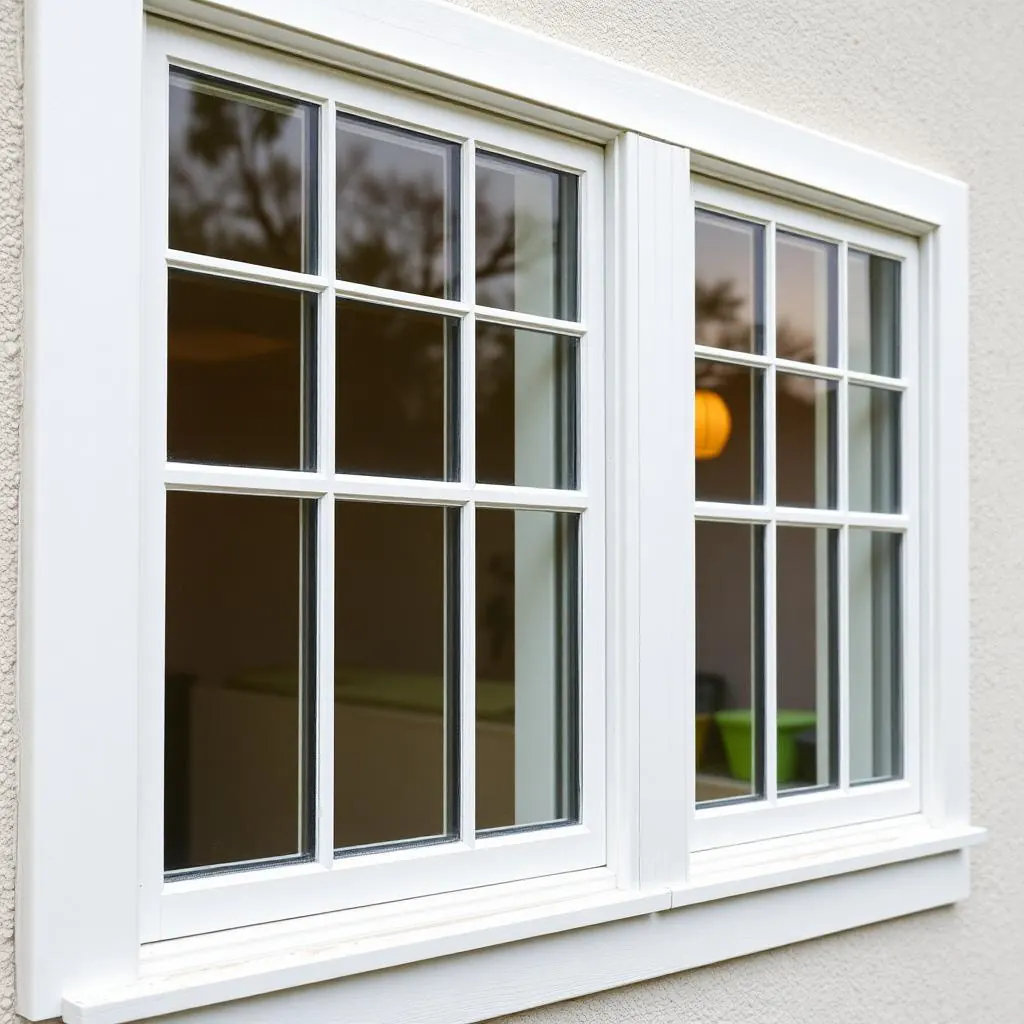
| Frame material | Typical lifespan | Relative cost |
|---|---|---|
| Vinyl | 20–40 years | $ |
| Composite | 30–40 years | $$ |
| Fiberglass | 30–50 years | $$$ |
| Wood (clad or solid) | 30+ years with upkeep | $$$$ |
Lifespans assume quality manufacturing and proper installation. Your quotes will price your exact openings — these are national ballparks, not promises.
What to expect
How a window replacement actually goes.
From measure day to the final caulk bead, a well-run window job follows the same four beats. Here's the rhythm, so nothing surprises you:
-
1
In-home measure and quotes
Each pro measures your openings, checks frames for rot, and quotes materials and labor. Comparing side by side is where you catch the difference between an insert bid and a full-frame one.
-
2
Ordering and lead time
Replacement windows are built to your measurements, so expect a few weeks between signing and install. You'll confirm styles, colors, and grid patterns before the order goes in.
-
3
Install day
Old sashes out, new units set, shimmed level, insulated, and sealed. Crews typically work room by room, so the house is never wide open — most homes finish in a day or two.
-
4
Inspection and warranty
You walk every window — open, close, lock, tilt — before the crew leaves. Keep the manufacturer's warranty registration and the installer's workmanship warranty together in writing.
Three Windows quotes by dinner.
Tell us about your roof — about 30 seconds — and licensed local roofers come to you with real prices.
Get My Free Windows Quotes100% free quotes · No obligation · No spam calls, ever
Local guides
Roofing in your state.
Costs, permits, materials, and timing all change with your climate and your state's rules. Pick yours for guides written for exactly where you live.
 Alabama
  Alaska
  Arizona
  Arkansas
  California
  Colorado
  Connecticut
  Delaware
  Florida
  Georgia
  Hawaii
  Idaho
Idaho  Illinois
  Indiana
  Iowa
Iowa  Kansas
  Kentucky
  Louisiana
  Maine
Maine  Maryland
  Massachusetts
  Michigan
  Minnesota
  Mississippi
  Missouri
  Montana
  Nebraska
  Nevada
  New Hampshire
  New Jersey
  New Mexico
  New York
  North Carolina
  North Dakota
  Ohio
Ohio  Pennsylvania
  Tennessee
  Texas
Texas  Virginia
  Washington
 Roofing FAQ
What homeowners ask about roofs.
Still weighing repair against replacement? Get free quotes for both and let the numbers decide. Start here.
Should I repair my roof or replace it? +
Age decides most of it. If the roof is under 15 years old and the damage is local — a leak, a few shingles — repair usually wins. Past 20 years, or with widespread curling, granule loss, or repeat leaks, replacement is almost always the better spend. A licensed roofer can tell you in one inspection; getting two or three opinions keeps everyone honest.
How long does a roof replacement take? +
Most single-family homes take one to three days on the roof: tear-off and dry-in the first day, shingles and detail work after. Large, steep, or complex roofs — and weather delays — can stretch it to a week. Your contract should state the expected duration.
Will insurance pay for my roof? +
If the damage came from a covered event — hail, wind, a fallen tree — homeowner's insurance often covers repair or replacement, minus your deductible. Normal wear and age are not covered. Document damage with photos and dates, get a roofer's inspection report, and file promptly; storm-experienced local pros know exactly what adjusters want to see.
What time of year is best for roofing? +
Roofers work year-round in most of the country. Late spring through fall is peak season — easier scheduling in winter can mean better pricing, while asphalt shingles seal best above roughly 40°F. If the roof is leaking, the best time is now; water damage compounds fast.
Do I need to be home during the work? +
No — the work happens outside. Be reachable by phone for decisions (like hidden decking damage), move vehicles out of the driveway, and plan around the noise if you work from home. Pets are usually happier elsewhere for a day or two.
How do I get roofing quotes here? +
Answer a few questions about your roof — about 30 seconds. We match you with licensed local roofing contractors, and their quotes are free quotes — no fee, no strings. You compare real prices side by side and hire when you're ready — or don't. There's no obligation, ever.
Ready to see real numbers?
Compare free quotes from licensed local roofers — matched to your exact roof in about 30 seconds.
Get My Free Windows Quotes