HVAC
Heating and cooling is your home's biggest system. Replace it right.
What HVAC equipment really costs, how furnaces, ACs, and heat pumps stack up, and what actually happens on install day — so the quotes you compare finally make sense.
- ✓ 100% free quotes
- ✓ Licensed local roofers
- ✓ No obligation

The short version
$5,000–$12,500
is where most full heating-and-cooling replacements land nationally — equipment tier, home size, and ductwork move it from there.
1–3 days
for most changeouts. A straightforward furnace or AC swap is often done before dinner; add ductwork and it stretches.
15–20 years
of service from a well-maintained gas furnace. Central ACs typically run 12–17 years, air-source heat pumps 10–15.
Three kinds of HVAC jobs — and which one is yours.
Nearly every heating-and-cooling project is a repair, a full replacement, or an upgrade to newer technology. Naming yours tells you what the work involves, roughly what it should cost, and what to ask the pros who quote it.
Repairs and tune-ups
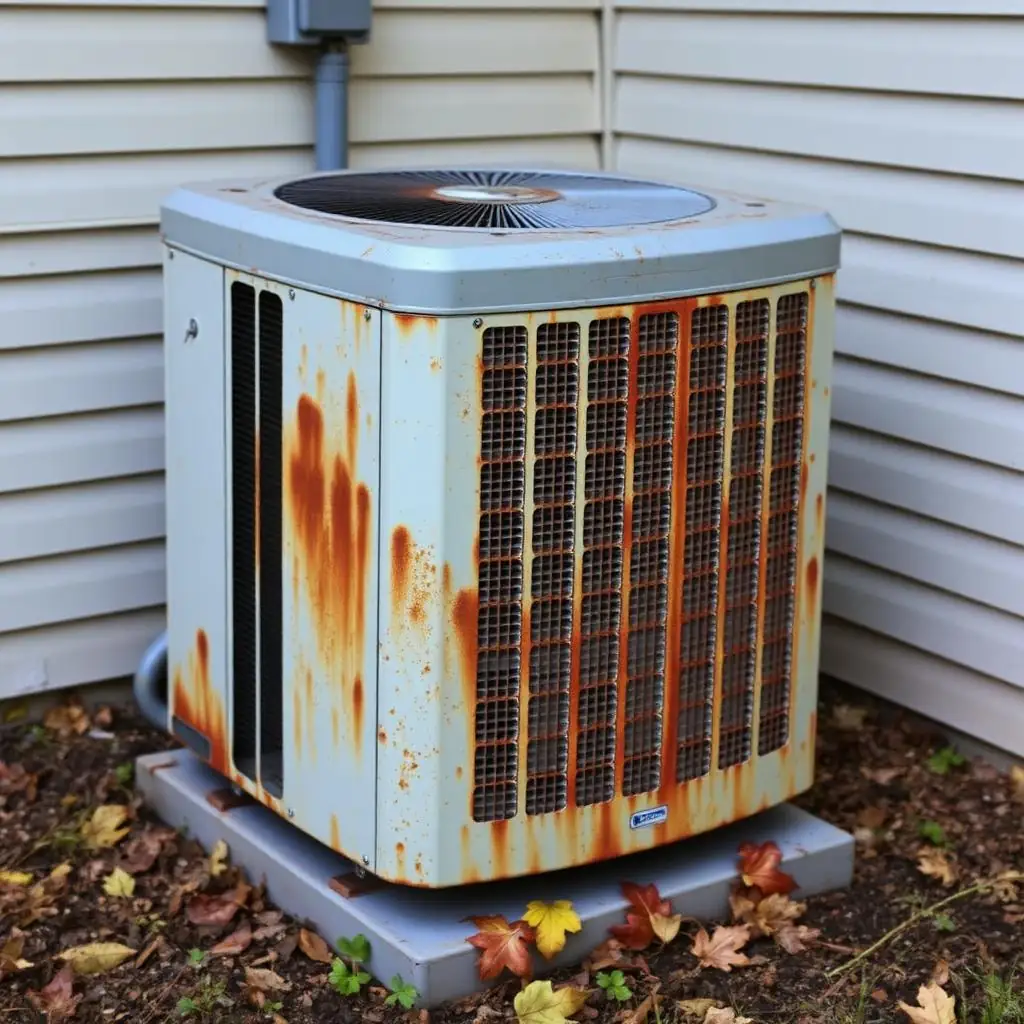
No cooling on the hottest week of the year, a furnace that short-cycles, a capacitor or blower motor giving out. Most repairs run a few hundred dollars and take a visit or two. The honest math: when a repair bill climbs toward half the cost of new equipment on a unit past its mid-teens, replacement usually wins — a good tech will show you both numbers.
Full system replacement
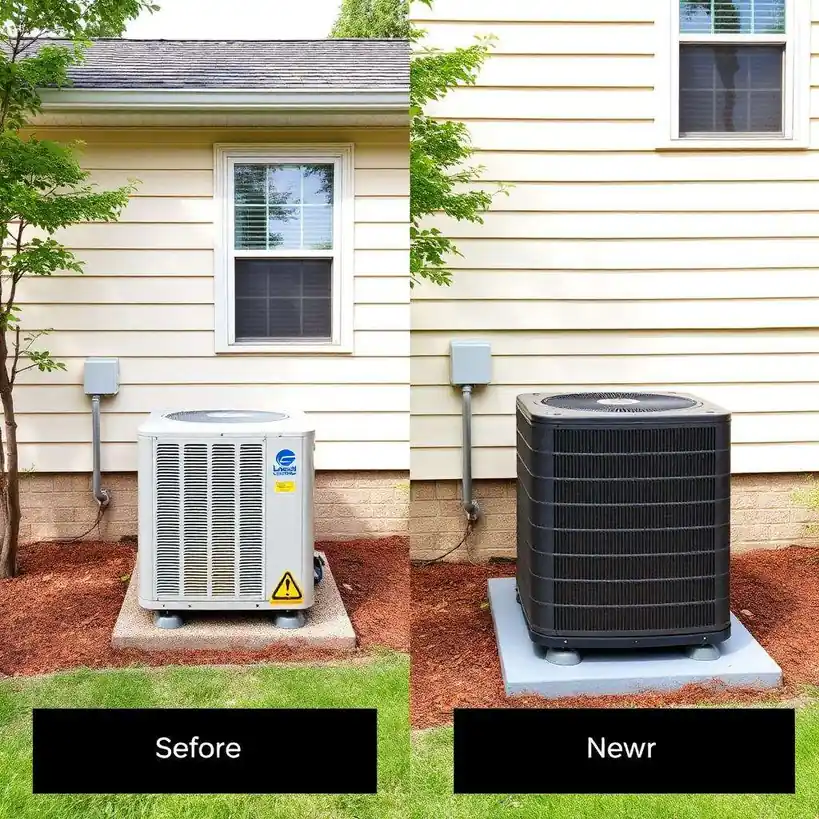
The big one: old furnace and condenser out, new matched equipment in, refrigerant lines and electrical brought up to code, system commissioned and tested. Mixing a new AC with a tired old furnace rarely pays — matched systems run more efficiently and keep warranties intact. This is the project where comparing quotes matters most; bids on identical homes routinely differ by thousands.
Upgrades and heat pumps
Swapping a gas-and-electric setup for a heat pump, adding a ductless mini-split to a bonus room, or zoning a house that heats unevenly. Modern cold-climate heat pumps hold their own well below freezing, and rebates come and go by state and utility — ask the pros who quote you what currently applies in your area.
Cost
What moves the price of a new HVAC system.
Two identical-looking houses can get quotes thousands of dollars apart — for legitimate reasons. When a contractor prices your job, this is what they're weighing:
-
Home size and heat load. Good contractors size equipment with a load calculation, not square-footage guesswork. An oversized system short-cycles, wears out early, and never dehumidifies properly.
-
Equipment tier and efficiency. Builder-grade single-stage to variable-speed premium is a wide price band. Higher-efficiency units cost more upfront and give some of it back on every utility bill.
-
Ductwork condition. Leaky, crushed, or undersized ducts choke a new system. Sealing or replacing runs can add a few thousand dollars — and quotes that skip the inspection are cutting a corner.
-
Fuel type and electrical. Gas, electric, or a switch between them. Heat pumps and modern air handlers sometimes need panel upgrades or new circuits, and that belongs in the quote, not the surprise column.
-
Access and install complexity. Attic air handlers, tight crawlspaces, rooftop units, and long refrigerant line runs all add labor hours.
-
Local labor, permits, and code. Permit fees, refrigerant regulations, and labor rates vary by market — one more reason local quotes beat national averages.
| System type | Typical lifespan | Relative cost |
|---|---|---|
| Gas furnace + central AC | 15–20 / 12–17 years | $$ |
| Air-source heat pump | 10–15 years | $$ |
| Ductless mini-split | 15–20 years | $$$ |
| Geothermal heat pump | 20+ years (ground loops last decades more) | $$$$ |
Lifespans assume proper sizing and regular maintenance. Your quotes will price your exact home and climate — these are national ballparks, not promises.
What to expect
How an HVAC replacement actually goes.
From the first visit to the final thermostat lesson, a well-run replacement follows the same four beats. Here's the rhythm, so nothing surprises you:
-
1
Load calculation and quotes
Each pro measures the house, inspects the ductwork, and quotes matched equipment. This is where comparing side by side pays for itself — sizing and scope should agree.
-
2
Equipment selection and scheduling
You pick the efficiency tier, sign a written scope, and get an install date. Most equipment is in local supply houses within days.
-
3
Install day
Old equipment out, new units set, refrigerant lines and electrical connected, condensate and venting done to code. Most changeouts finish in a day; ductwork adds more.
-
4
Commissioning and walkthrough
The tech verifies refrigerant charge and airflow, registers the warranty, and walks you through the thermostat and filter schedule. Keep the commissioning report with your paperwork.
Three HVAC quotes by dinner.
Tell us about your roof — about 30 seconds — and licensed local roofers come to you with real prices.
Get My Free HVAC Quotes100% free quotes · No obligation · No spam calls, ever
Local guides
Roofing in your state.
Costs, permits, materials, and timing all change with your climate and your state's rules. Pick yours for guides written for exactly where you live.
 Alabama
  Alaska
  Arizona
  Arkansas
  California
  Colorado
  Connecticut
  Delaware
  Florida
  Georgia
  Hawaii
  Idaho
Idaho  Illinois
  Indiana
  Iowa
Iowa  Kansas
  Kentucky
  Louisiana
  Maine
Maine  Maryland
  Massachusetts
  Michigan
  Minnesota
  Mississippi
  Missouri
  Montana
  Nebraska
  Nevada
  New Hampshire
  New Jersey
  New Mexico
  New York
  North Carolina
  North Dakota
  Ohio
Ohio  Pennsylvania
  Tennessee
  Texas
Texas  Virginia
  Washington
 Roofing FAQ
What homeowners ask about roofs.
Still weighing repair against replacement? Get free quotes for both and let the numbers decide. Start here.
Should I repair my roof or replace it? +
Age decides most of it. If the roof is under 15 years old and the damage is local — a leak, a few shingles — repair usually wins. Past 20 years, or with widespread curling, granule loss, or repeat leaks, replacement is almost always the better spend. A licensed roofer can tell you in one inspection; getting two or three opinions keeps everyone honest.
How long does a roof replacement take? +
Most single-family homes take one to three days on the roof: tear-off and dry-in the first day, shingles and detail work after. Large, steep, or complex roofs — and weather delays — can stretch it to a week. Your contract should state the expected duration.
Will insurance pay for my roof? +
If the damage came from a covered event — hail, wind, a fallen tree — homeowner's insurance often covers repair or replacement, minus your deductible. Normal wear and age are not covered. Document damage with photos and dates, get a roofer's inspection report, and file promptly; storm-experienced local pros know exactly what adjusters want to see.
What time of year is best for roofing? +
Roofers work year-round in most of the country. Late spring through fall is peak season — easier scheduling in winter can mean better pricing, while asphalt shingles seal best above roughly 40°F. If the roof is leaking, the best time is now; water damage compounds fast.
Do I need to be home during the work? +
No — the work happens outside. Be reachable by phone for decisions (like hidden decking damage), move vehicles out of the driveway, and plan around the noise if you work from home. Pets are usually happier elsewhere for a day or two.
How do I get roofing quotes here? +
Answer a few questions about your roof — about 30 seconds. We match you with licensed local roofing contractors, and their quotes are free quotes — no fee, no strings. You compare real prices side by side and hire when you're ready — or don't. There's no obligation, ever.
Ready to see real numbers?
Compare free quotes from licensed local roofers — matched to your exact roof in about 30 seconds.
Get My Free HVAC Quotes