Walk-in Tubs
Bathe safely and independently — in your own home, for years to come.
What walk-in tubs really cost installed, which type fits your needs, and what the installation actually involves — so you can compare quotes without the pressure pitch.
- ✓ 100% free quotes
- ✓ Licensed local roofers
- ✓ No obligation
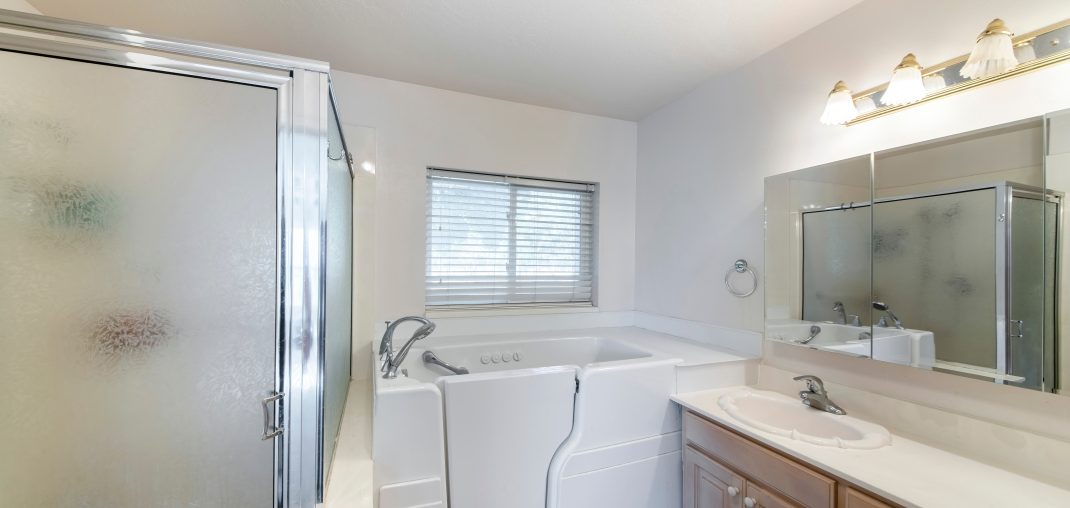
The short version
$5,000–$15,000
installed is where most walk-in tub projects land nationally — tub type and plumbing work move it, and loaded hydrotherapy models run higher.
1–3 days
for most installations when the new tub takes the place of an existing one. Many are done in a single long day.
1 in 4
Americans 65 and older reports a fall each year, per the CDC — and the bathroom is one of the most common places it happens.
Three kinds of walk-in tub projects — and which one is yours.
Most walk-in tub work is a straight replacement, a larger bathroom conversion, or a therapy-focused upgrade. Knowing which you're planning tells you the realistic cost band and what to ask the installers who quote it.
Straight replacement
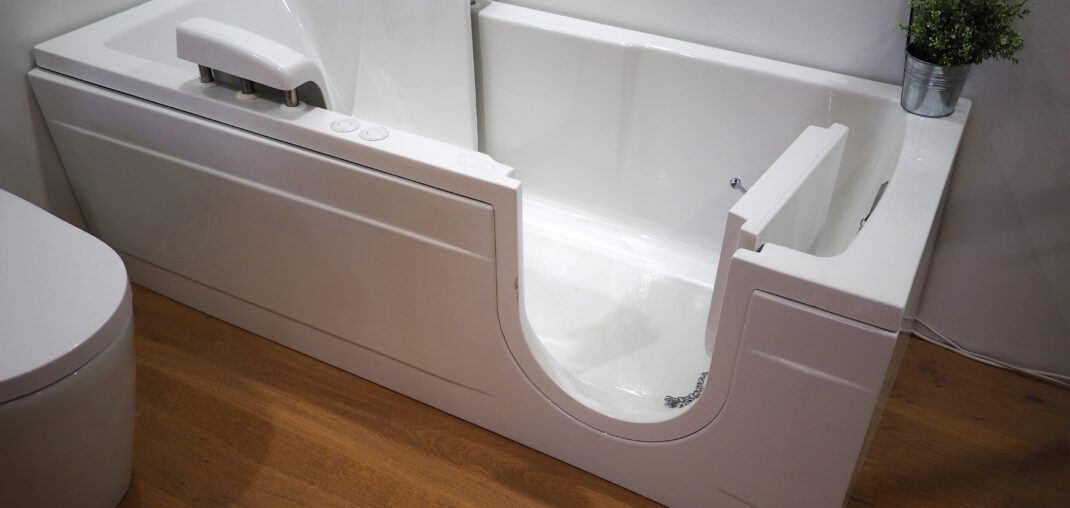
Your existing tub comes out and the walk-in goes into the same footprint — the cleanest, most affordable path. Plumbing mostly stays put, and the work usually wraps in a day or two. Most standard walk-in tubs are sized to fit a common 60-inch alcove for exactly this reason.
Bathroom conversion
Turning a shower stall into a walk-in tub, relocating the tub, or reworking a tight bathroom to fit one. Expect plumbing changes, possible subfloor reinforcement, and sometimes a wall moved. It costs more than a straight swap — and it's the right call when the current layout was never going to work safely.
Therapy upgrades
Hydrotherapy jets for joints and circulation, air jets for a gentler massage, heated seats and backrests, fast-drain systems. Each feature adds real cost and real equipment — jets and inline heaters typically need dedicated electrical circuits. Decide which features you'll actually use before quotes, not during a sales pitch.
Cost
What moves the price of a walk-in tub.
Walk-in tub quotes range wider than almost any bathroom product — and the spread has reasons. When an installer prices your project, this is what they're weighing:
-
Tub type and features. A basic soaker sits at one end, a loaded hydrotherapy model at the other. Jets, heated surfaces, and chromotherapy each add to the sticker.
-
Door style and swing. Inward-swinging doors are standard and space-efficient. Outward-swinging and wide-access doors ease transfers and cost more.
-
Plumbing and drainage. Walk-in tubs hold more water than standard tubs, and you sit inside while it drains. Fast-drain systems and drain-line upgrades are common line items.
-
Electrical work. Pumps, inline heaters, and jets typically require dedicated GFCI-protected circuits. If your panel is full, that upgrade belongs in the quote.
-
Water heater capacity. Filling a deep tub with warm water takes a bigger draw than a shower. Some installs pair the tub with a water heater upgrade or an inline heater to keep the bath warm.
-
Access and haul-out. Getting the old tub out and the new one in through hallways and doorways takes labor — more in tight homes, upstairs bathrooms, and older houses.
| Tub type | Built for | Relative cost |
|---|---|---|
| Basic soaker | Safe entry and simple bathing | $ |
| Air-jet | Gentle massage with easy upkeep | $$ |
| Hydrotherapy (water jets) | Targeted muscle and joint relief | $$$ |
| Bariatric / wheelchair-accessible | Larger sizes and transfer access | $$$$ |
Many tubs combine features — air and water jets together are common. Your quotes will price your exact bathroom and model — these are national ballparks, not promises.
What to expect
How a walk-in tub installation actually goes.
From the first assessment to your first bath, a well-run installation follows the same four beats. Here's the rhythm, so nothing surprises you:
-
1
In-home assessment and quotes
Each installer measures the bathroom, checks plumbing, electrical, and water heater capacity, and quotes a specific model. Comparing quotes side by side is your best defense against one-visit pressure pricing.
-
2
Model selection and scheduling
You confirm the tub, door swing, and features in a written scope. Most standard models are available quickly; custom sizes take longer.
-
3
Removal and installation
Old tub out, plumbing and electrical connections in, tub set, sealed, and panel-finished. Most straight replacements finish in one to three days.
-
4
Fill test and walkthrough
The installer runs a full fill-and-drain test, checks the door seal, and walks you through operation. Warranties on the tub, the door seal, and the workmanship go in your folder — in writing.
Three Walk-in Tubs quotes by dinner.
Tell us about your roof — about 30 seconds — and licensed local roofers come to you with real prices.
Get My Free Walk-in Tubs Quotes100% free quotes · No obligation · No spam calls, ever
Local guides
Roofing in your state.
Costs, permits, materials, and timing all change with your climate and your state's rules. Pick yours for guides written for exactly where you live.
 Alabama
  Alaska
  Arizona
  Arkansas
  California
  Colorado
  Connecticut
  Delaware
  Florida
  Georgia
  Hawaii
  Idaho
Idaho  Illinois
  Indiana
  Iowa
Iowa  Kansas
  Kentucky
  Louisiana
  Maine
Maine  Maryland
  Massachusetts
  Michigan
  Minnesota
  Mississippi
  Missouri
  Montana
  Nebraska
  Nevada
  New Hampshire
  New Jersey
  New Mexico
  New York
  North Carolina
  North Dakota
  Ohio
Ohio  Pennsylvania
  Tennessee
  Texas
Texas  Virginia
  Washington
 Roofing FAQ
What homeowners ask about roofs.
Still weighing repair against replacement? Get free quotes for both and let the numbers decide. Start here.
Should I repair my roof or replace it? +
Age decides most of it. If the roof is under 15 years old and the damage is local — a leak, a few shingles — repair usually wins. Past 20 years, or with widespread curling, granule loss, or repeat leaks, replacement is almost always the better spend. A licensed roofer can tell you in one inspection; getting two or three opinions keeps everyone honest.
How long does a roof replacement take? +
Most single-family homes take one to three days on the roof: tear-off and dry-in the first day, shingles and detail work after. Large, steep, or complex roofs — and weather delays — can stretch it to a week. Your contract should state the expected duration.
Will insurance pay for my roof? +
If the damage came from a covered event — hail, wind, a fallen tree — homeowner's insurance often covers repair or replacement, minus your deductible. Normal wear and age are not covered. Document damage with photos and dates, get a roofer's inspection report, and file promptly; storm-experienced local pros know exactly what adjusters want to see.
What time of year is best for roofing? +
Roofers work year-round in most of the country. Late spring through fall is peak season — easier scheduling in winter can mean better pricing, while asphalt shingles seal best above roughly 40°F. If the roof is leaking, the best time is now; water damage compounds fast.
Do I need to be home during the work? +
No — the work happens outside. Be reachable by phone for decisions (like hidden decking damage), move vehicles out of the driveway, and plan around the noise if you work from home. Pets are usually happier elsewhere for a day or two.
How do I get roofing quotes here? +
Answer a few questions about your roof — about 30 seconds. We match you with licensed local roofing contractors, and their quotes are free quotes — no fee, no strings. You compare real prices side by side and hire when you're ready — or don't. There's no obligation, ever.
Ready to see real numbers?
Compare free quotes from licensed local roofers — matched to your exact roof in about 30 seconds.
Get My Free Walk-in Tubs Quotes