Siding
Siding is your home's armor — and its first impression. Get both right.
What a re-side really costs, how the materials actually compare, and what a crew does over that week — so the quotes you collect finally line up with reality.
- ✓ 100% free quotes
- ✓ Licensed local roofers
- ✓ No obligation

The short version
$8,000–$30,000
is where most whole-house siding replacements land nationally — home size, stories, and material move it from there.
3–7 days
of crew time for most re-sides. Bigger homes, complex trim, and hidden sheathing repairs stretch it.
20–40 years
of life from quality vinyl siding. Fiber cement runs 30 to 50 with the right paint schedule.
Three kinds of siding jobs — and which one is yours.
Nearly every siding project is a repair, a full re-side, or trim-and-fascia work at the rooflines. Knowing which one you're facing tells you what the work involves and what to ask the pros who quote it.
Repairs and patching
Cracked or wind-lifted panels, hail dents, a woodpecker's favorite corner. Repairs are quick and affordable — the catch is matching, since sun-faded siding rarely matches fresh panels off the shelf. An honest pro will tell you when a repair will stick out and when a wall-by-wall replacement makes more sense.
Full re-side
Old siding off, sheathing inspected, fresh house wrap on, new siding and trim installed. It's the project that resets your home's weather protection and its curb appeal in one stroke — and the one where bids on the same house routinely land thousands apart. Tear-off matters: what's under the old siding decides half the story.
Trim, soffit, and fascia
The boards at your rooflines and eaves take water first and rot first. Peeling paint, soft spots, and pest entry at the soffits are the usual tells. This work often rides along with a re-side or a gutter project — bundling it saves a second mobilization.
Cost
What moves the price of new siding.
Two similar houses can get siding quotes far apart — for defensible reasons. When a contractor prices your job, this is what they're weighing:
-
Home size and stories. Siding is priced by the square foot of wall, and second-story work adds staging, safety gear, and hours. Corners, gables, and dormers add cutting time.
-
Material. Vinyl is the affordable standard, typically running $3 to $12 per square foot installed nationally. Fiber cement costs more and wears longer; wood is the premium look with premium upkeep.
-
Tear-off and what's underneath. Old layers come off and get hauled away — and rotted sheathing behind them gets replaced by the sheet. Good quotes state that per-sheet price upfront.
-
House wrap and insulation. Fresh weather barrier is non-negotiable on a re-side. Insulated siding or added foam sheathing costs more and tightens the envelope.
-
Trim and detail work. Windows, doors, corners, and gable accents all need trim. Intricate profiles and color-matched flashing add material and hours.
-
Local labor and permits. Labor rates, disposal fees, and permit requirements vary by market — one more reason local quotes beat national averages.
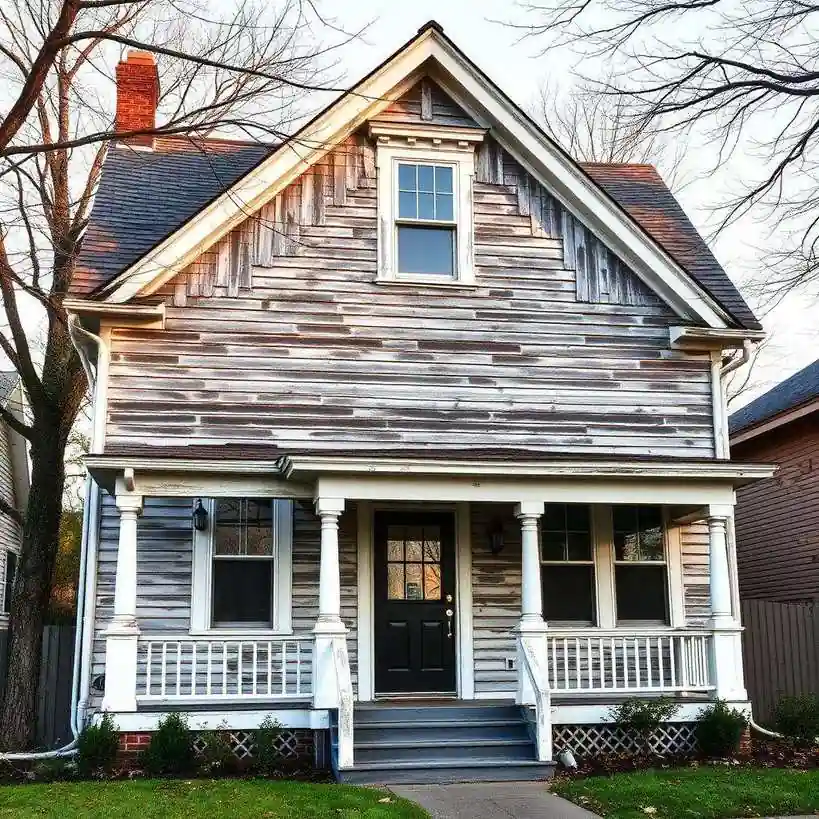
| Material | Typical lifespan | Relative cost |
|---|---|---|
| Vinyl | 20–40 years | $ |
| Engineered wood | 20–30 years | $$ |
| Fiber cement | 30–50 years | $$$ |
| Natural wood (with upkeep) | 20–40 years | $$$$ |
Lifespans assume proper installation and maintenance on schedule. Your quotes will price your exact walls — these are national ballparks, not promises.
What to expect
How a siding project actually goes.
From the first walk-around to the final trim piece, a well-run re-side follows the same four beats. Here's the rhythm, so nothing surprises you:
-
1
Walk-around and quotes
Each pro measures the walls, counts openings and corners, and quotes material and labor. Side-by-side comparison exposes what's included — house wrap, trim, haul-away — and what's not.
-
2
Material, color, and scheduling
You pick the product line and color, sign a written scope, and get a start date. Samples look different on a wall than in a hand — check them in daylight against your roof and trim.
-
3
Tear-off and install
Old siding comes off, sheathing gets inspected and repaired, house wrap goes on, then siding and trim. Most homes take three to seven days; expect noise and a busy yard.
-
4
Cleanup and walkthrough
Scrap hauled, nails swept, flashing and caulk lines checked. You walk every wall with the crew lead and get the manufacturer's warranty and workmanship warranty in writing.
Three Siding quotes by dinner.
Tell us about your roof — about 30 seconds — and licensed local roofers come to you with real prices.
Get My Free Siding Quotes100% free quotes · No obligation · No spam calls, ever
Local guides
Roofing in your state.
Costs, permits, materials, and timing all change with your climate and your state's rules. Pick yours for guides written for exactly where you live.
 Alabama
  Alaska
  Arizona
  Arkansas
  California
  Colorado
  Connecticut
  Delaware
  Florida
  Georgia
  Hawaii
  Idaho
Idaho  Illinois
  Indiana
  Iowa
Iowa  Kansas
  Kentucky
  Louisiana
  Maine
Maine  Maryland
  Massachusetts
  Michigan
  Minnesota
  Mississippi
  Missouri
  Montana
  Nebraska
  Nevada
  New Hampshire
  New Jersey
  New Mexico
  New York
  North Carolina
  North Dakota
  Ohio
Ohio  Pennsylvania
  Tennessee
  Texas
Texas  Virginia
  Washington
 Roofing FAQ
What homeowners ask about roofs.
Still weighing repair against replacement? Get free quotes for both and let the numbers decide. Start here.
Should I repair my roof or replace it? +
Age decides most of it. If the roof is under 15 years old and the damage is local — a leak, a few shingles — repair usually wins. Past 20 years, or with widespread curling, granule loss, or repeat leaks, replacement is almost always the better spend. A licensed roofer can tell you in one inspection; getting two or three opinions keeps everyone honest.
How long does a roof replacement take? +
Most single-family homes take one to three days on the roof: tear-off and dry-in the first day, shingles and detail work after. Large, steep, or complex roofs — and weather delays — can stretch it to a week. Your contract should state the expected duration.
Will insurance pay for my roof? +
If the damage came from a covered event — hail, wind, a fallen tree — homeowner's insurance often covers repair or replacement, minus your deductible. Normal wear and age are not covered. Document damage with photos and dates, get a roofer's inspection report, and file promptly; storm-experienced local pros know exactly what adjusters want to see.
What time of year is best for roofing? +
Roofers work year-round in most of the country. Late spring through fall is peak season — easier scheduling in winter can mean better pricing, while asphalt shingles seal best above roughly 40°F. If the roof is leaking, the best time is now; water damage compounds fast.
Do I need to be home during the work? +
No — the work happens outside. Be reachable by phone for decisions (like hidden decking damage), move vehicles out of the driveway, and plan around the noise if you work from home. Pets are usually happier elsewhere for a day or two.
How do I get roofing quotes here? +
Answer a few questions about your roof — about 30 seconds. We match you with licensed local roofing contractors, and their quotes are free quotes — no fee, no strings. You compare real prices side by side and hire when you're ready — or don't. There's no obligation, ever.
Ready to see real numbers?
Compare free quotes from licensed local roofers — matched to your exact roof in about 30 seconds.
Get My Free Siding Quotes