Home Security
Protect what matters most — with a system that fits how you actually live.
What security systems really cost up front and per month, how the tiers compare, and what installation involves — so you can weigh your quotes without the scare tactics.
- ✓ 100% free quotes
- ✓ Licensed local roofers
- ✓ No obligation
The short version
$200–$1,200
for equipment is the national ballpark — a basic DIY kit sits at the low end, a professionally installed system with cameras at the top.
$20–$60
per month is what 24/7 professional monitoring typically costs nationally. Self-monitoring skips the fee — and the guaranteed response.
Same day
protection for most homes — professional installations typically wrap in a single visit, from walkthrough to armed system.
Three kinds of security projects — and which one is yours.
Almost every home security project is a first system, an upgrade of an aging one, or a camera-and-smart-home expansion. Knowing which you're planning shapes the equipment list and the questions worth asking every provider.
Your first system
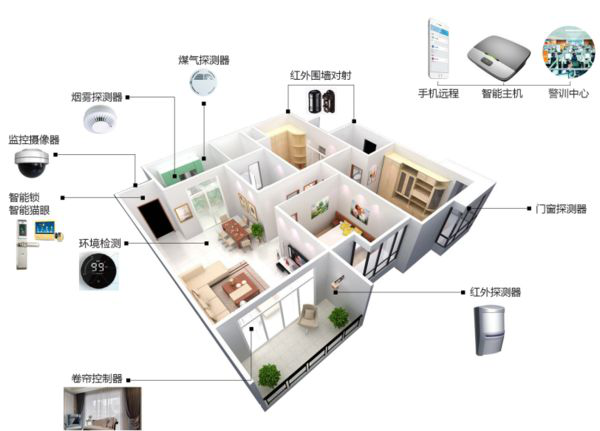
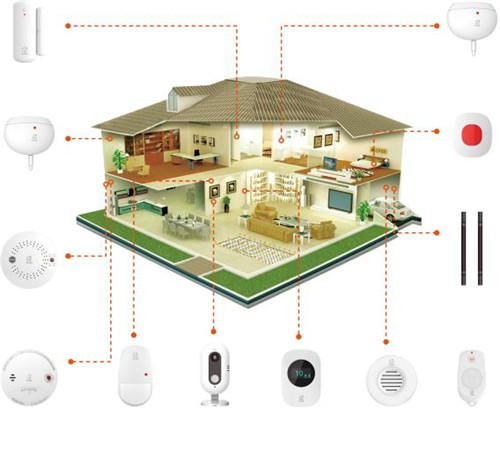
Entry sensors on doors and reachable windows, motion coverage for main living areas, a panel or hub, and a loud siren. That core package protects most homes well — everything else is addition, not requirement. The first decision is monitoring: who gets the alert at 3 a.m., you or a monitoring center?
Upgrading an old system
That landline-era panel from a decade ago still works — until the phone line it depends on doesn't. Modern systems run on cellular and battery backup, and many providers can take over existing wired sensors instead of replacing them. Upgrading usually costs less than starting over, and it ends the outdated-contract pricing too.
Cameras and smart add-ons
Video doorbells, outdoor cameras, smart locks, garage control, leak and smoke sensors — the layer that turns an alarm into a system you check from anywhere. Cameras bring their own decision: cloud video storage usually rides on a subscription, and plans differ widely. Buy the coverage you'll actually review, not the most lenses.
Cost
What moves the price of a security system.
Two homes on the same street can pay very different amounts for protection that looks identical from the curb. When a provider prices your setup, this is what they're weighing:
-
Home size and entry points. Every exterior door and reachable window is a sensor decision. Bigger homes need more sensors, more motion coverage, and sometimes signal repeaters.
-
Monitoring tier. Self-monitoring sends alerts to your phone and costs nothing monthly. Professional monitoring adds a 24/7 center that calls you — and can dispatch help — typically for $20 to $60 a month.
-
Equipment ownership vs. financing. Buying equipment outright costs more today and less over the years. Financed or leased equipment lowers the upfront number and lives inside a longer contract — read which one your quote is.
-
Cameras and video storage. Each camera adds hardware cost, and cloud video history usually rides on a monthly plan. Decide how many views you truly need before the quote, not after.
-
Smart-home integrations. Locks, lights, thermostats, and garage doors that arm and react with the system add convenience and cost. They're easy to add later — start with security, expand when you're sure.
-
Installation type. DIY kits are genuinely doable in an afternoon. Professional installation adds labor cost, and many national brands run promotions that reduce or waive it — ask every provider.
| System tier | Monitoring | Relative cost |
|---|---|---|
| Self-monitored DIY | App alerts to your phone only | $ |
| DIY with professional monitoring | 24/7 monitoring center, often contract-optional | $$ |
| Professionally installed and monitored | 24/7 center plus service and support | $$$ |
| Full smart-home security | 24/7 center plus cameras, locks, and automation | $$$$ |
Monthly fees, contract terms, and promotions vary widely by provider. Your quotes will price your exact home and tier — these are national ballparks, not promises.

What to expect
How getting a security system actually goes.
From the first assessment to the first time you arm it, a well-run security setup follows the same four beats. Here's the rhythm, so nothing surprises you:
-
1
Assessment and quotes
Each provider maps your entry points and recommends a package. Comparing side by side is where equipment costs, monthly fees, and contract terms separate — read all three lines.
-
2
Package and monitoring choice
You settle the sensor count, cameras, and monitoring tier, and get the full terms in writing — equipment ownership, contract length, and what happens if you move.
-
3
Installation day
Sensors mounted, panel or hub configured, cameras aimed and tested. Most professional installs finish in a single visit; DIY kits go up in an afternoon.
-
4
Activation and walkthrough
You set codes, load the app, add household members, and run a test alarm with the monitoring center. Ask how false alarms are handled — every good provider has a clear answer.
Three Home Security quotes by dinner.
Tell us about your roof — about 30 seconds — and licensed local roofers come to you with real prices.
Get My Free Home Security Quotes100% free quotes · No obligation · No spam calls, ever
Local guides
Roofing in your state.
Costs, permits, materials, and timing all change with your climate and your state's rules. Pick yours for guides written for exactly where you live.
 Alabama
  Alaska
  Arizona
  Arkansas
  California
  Colorado
  Connecticut
  Delaware
  Florida
  Georgia
  Hawaii
  Idaho
Idaho  Illinois
  Indiana
  Iowa
Iowa  Kansas
  Kentucky
  Louisiana
  Maine
Maine  Maryland
  Massachusetts
  Michigan
  Minnesota
  Mississippi
  Missouri
  Montana
  Nebraska
  Nevada
  New Hampshire
  New Jersey
  New Mexico
  New York
  North Carolina
  North Dakota
  Ohio
Ohio  Pennsylvania
  Tennessee
  Texas
Texas  Virginia
  Washington
 Roofing FAQ
What homeowners ask about roofs.
Still weighing repair against replacement? Get free quotes for both and let the numbers decide. Start here.
Should I repair my roof or replace it? +
Age decides most of it. If the roof is under 15 years old and the damage is local — a leak, a few shingles — repair usually wins. Past 20 years, or with widespread curling, granule loss, or repeat leaks, replacement is almost always the better spend. A licensed roofer can tell you in one inspection; getting two or three opinions keeps everyone honest.
How long does a roof replacement take? +
Most single-family homes take one to three days on the roof: tear-off and dry-in the first day, shingles and detail work after. Large, steep, or complex roofs — and weather delays — can stretch it to a week. Your contract should state the expected duration.
Will insurance pay for my roof? +
If the damage came from a covered event — hail, wind, a fallen tree — homeowner's insurance often covers repair or replacement, minus your deductible. Normal wear and age are not covered. Document damage with photos and dates, get a roofer's inspection report, and file promptly; storm-experienced local pros know exactly what adjusters want to see.
What time of year is best for roofing? +
Roofers work year-round in most of the country. Late spring through fall is peak season — easier scheduling in winter can mean better pricing, while asphalt shingles seal best above roughly 40°F. If the roof is leaking, the best time is now; water damage compounds fast.
Do I need to be home during the work? +
No — the work happens outside. Be reachable by phone for decisions (like hidden decking damage), move vehicles out of the driveway, and plan around the noise if you work from home. Pets are usually happier elsewhere for a day or two.
How do I get roofing quotes here? +
Answer a few questions about your roof — about 30 seconds. We match you with licensed local roofing contractors, and their quotes are free quotes — no fee, no strings. You compare real prices side by side and hire when you're ready — or don't. There's no obligation, ever.
Ready to see real numbers?
Compare free quotes from licensed local roofers — matched to your exact roof in about 30 seconds.
Get My Free Home Security Quotes